Come on in!
The water’s fine.
↓↓↓↓↓↓↓↓


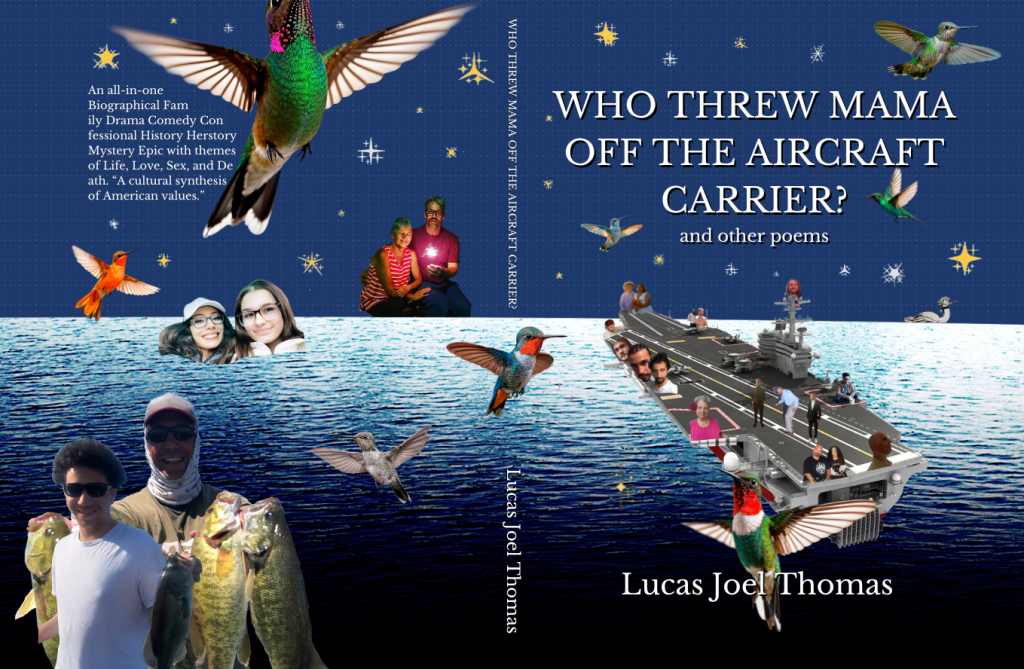
Hey! Maybe you have an idea. Take this book and report back. I guarantee you bring me joy! Hardcover. Paperback.

SCHOPENHAUER
My swift imagination outs with light!
Reason is gone. Behold my fright!
GOETHE
A fright is nothing but a friend in need.
Will you help me, though a ghost I be?
Kindle $7
Paperback $10
Hardcover $17 (recommended!)


IF YOU SEE ANY OF THESE CHILDREN OUTSIDE, BY THE WAY, PLEASE GIVE THEM A PLACE TO REST FOR THE EVENING. I TOLD THEM TO BE KIND TO STRANGERS.
lucasjoelthomas@gmail.com


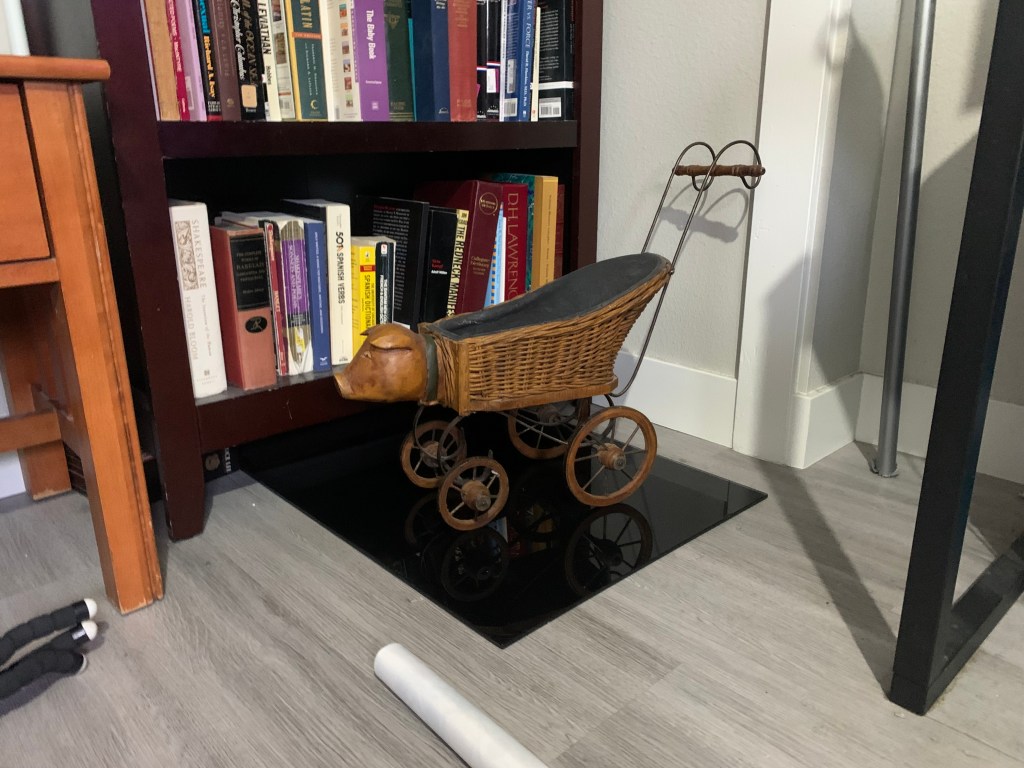
Wheelbarrow Pig (possibly haunted), $10,000

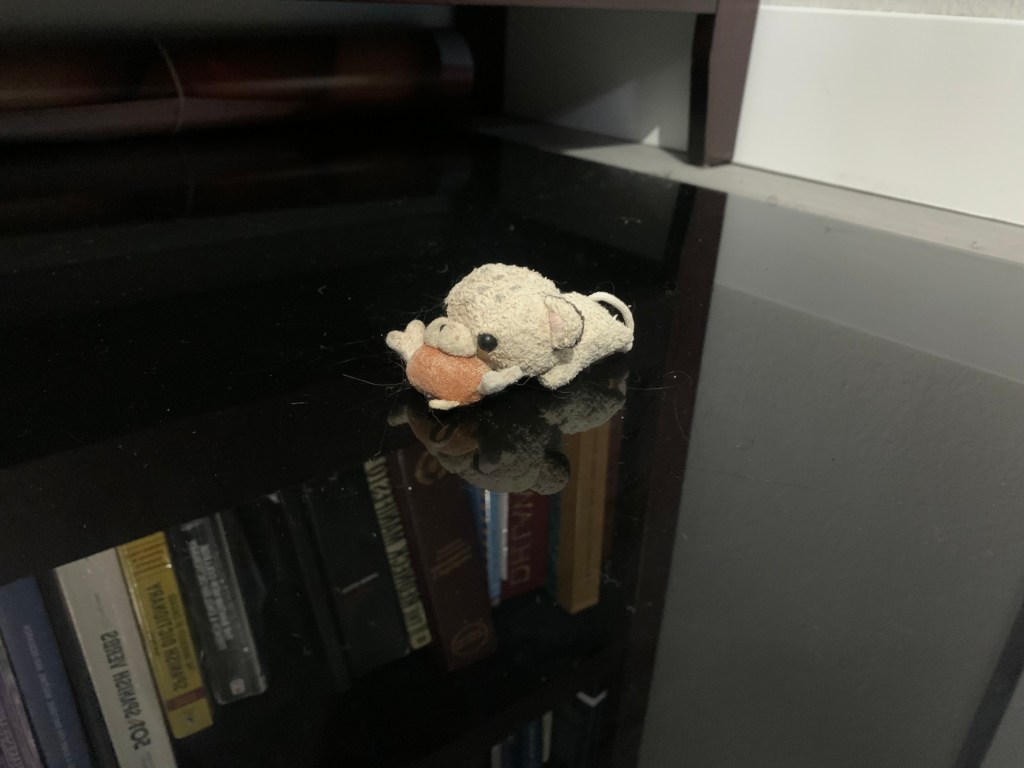
Badwater Doggie, $250

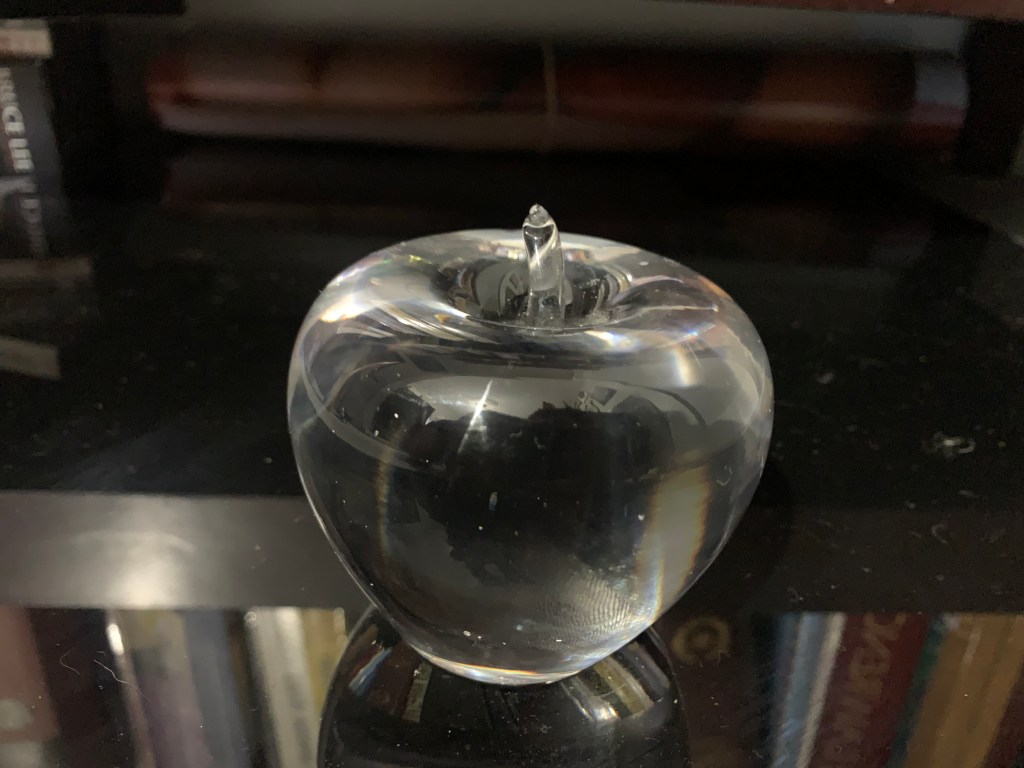
Grandpa’s Glass Apple, $500

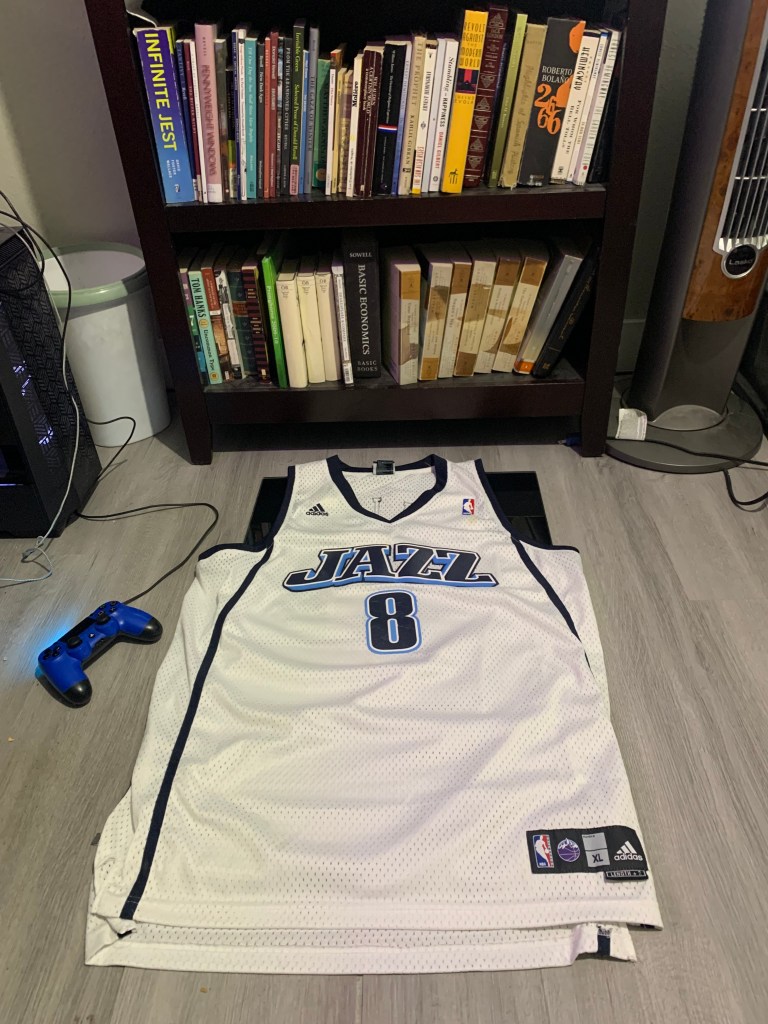
Deron Williams Jersey with Banana Stain, $2,000

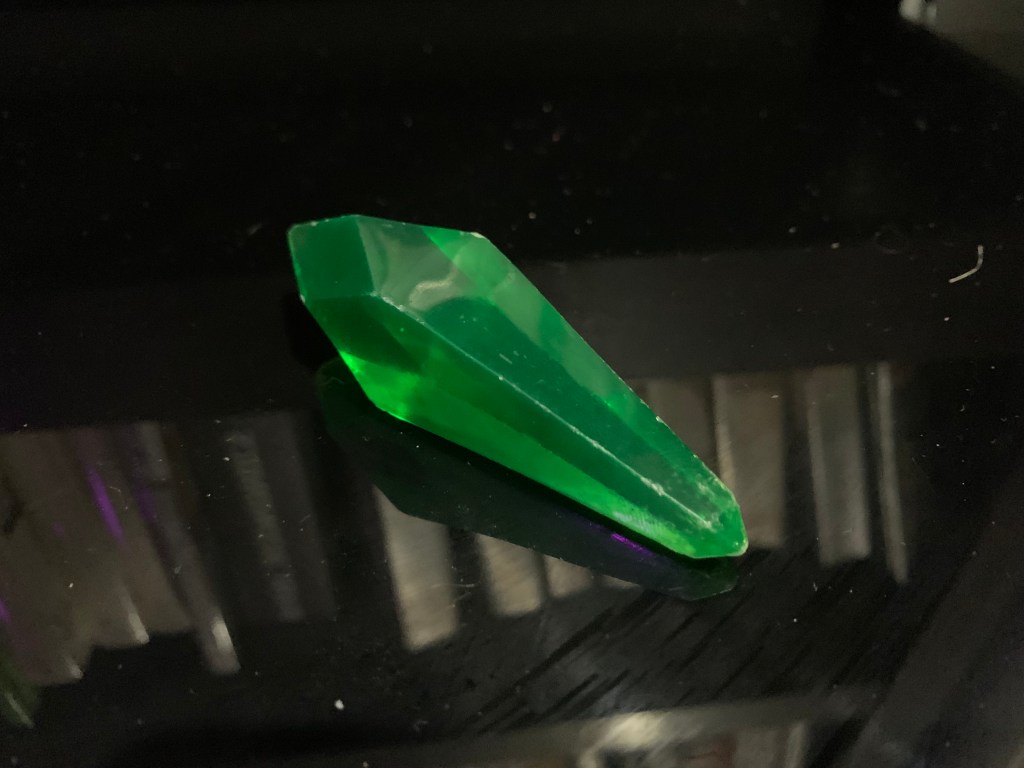
Gamer Emerald, $500

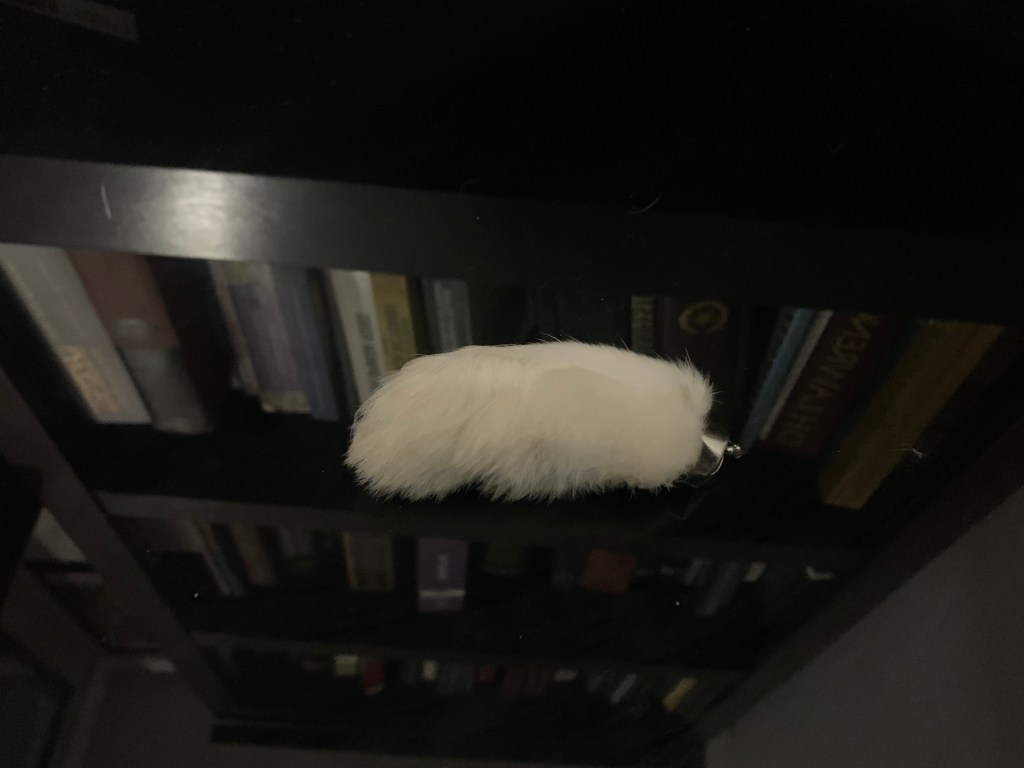
Artie’s Rabbit Foot, $100

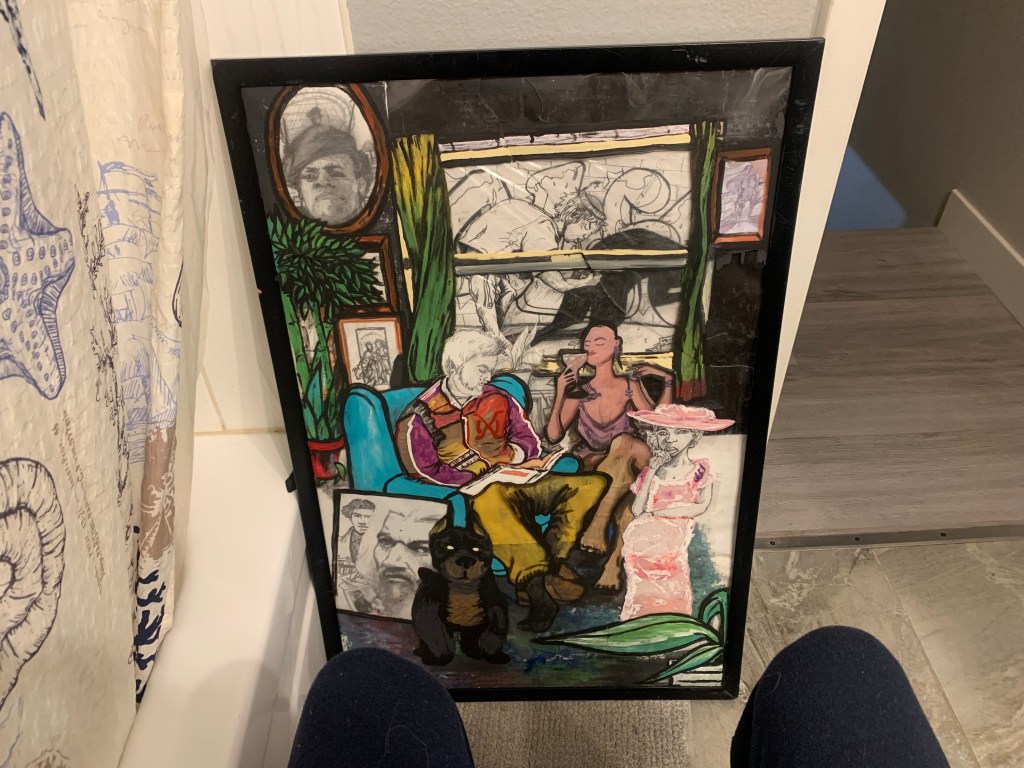
Untitled by Sam Lazy, $5,000 (message me, Lazy!)


lucasjoelthomas@gmail.com
Satantango by László Krasznahorkai: A View
I want to speak to both those who haven’t read this book and those who have in the same breath. Read this, I want to say, as well as aren’t you glad you reread? Luckily, the structure of Laszlo Krasznahorkai’s Satantango lends itself to this task, weaved as it is like a giant spider’s web, each chapter an anti-gravity spindle rattling loose on the verge of authorial contention, and yet as the reader spins with it, and spins, our sense of where we are zooms out, and the strings come into view, and so do the spiders, the many spiders to the backdrop of the accordion, and we realize at the same time this post-apocalyptic world is a little thing.
When I say this I do not minimize Krasznahorkai’s authentic vulgar grandeur. Rather I straightforwardly mean it: the beginning of each chapter rings the bleak and fantastical rooms and halls of Kafka and Nabokov in their folkiest moods, and the book quite literally opens on bells ringing in the stark and raving ruins of a rural township on the level of those of Dostoevsky, wherein have walked the maddest and most passionate characters in western literature. It is somewhere around this time in reading, I think, seeing that we have so little time to choose what to read, that the reader consciously or unconsciously confronts the question of why this book and not that one? Why this person, not that? Here the whimsy sway of curiosity poses a problem, and the variety of all our disciplines and the subjectivity of taste, but a firm, concentrated look at the text undoubtedly reveals that Satantango dances this critical line itself—what critical line?—in such potential a tangle of thought Krasznahorkai leverages like life does his characters psyches and faults, and he shifts the style and he shifts the dative object, and the web weaves, and it’s big and it’s small and the theme resounds our choice: either “I’ll dance,” or “You ain’t nothin.”
My brother-in-law Jason said to me recently, “Everything is funny if you zoom out enough.” (This is how he prefaced the family Christmas stories that I missed out on, and a few weeks later he also recommended me this book). It’s true: zoom out and laugh. And what book wouldn’t you read that laughs and makes you think? What does it mean then, at the heart of Satantango, after the climax of a carousing chapter where the fire blazes and the music cascades and the woman’s chest whose been glanced at by everyone the whole story, for a moment the nipples are roses—what does it mean then, after everyone falls asleep, that when we zoom out of their desire and ours, literal spiders come out in the dark, and weave webs over the counters, the drinks, and put the drunk, sleeping peasants in cocoons, before returning “lightning-quick” to their holes? For thirty pages after this reveal the spiders are hardly, if not at all, mentioned, until one of the characters considers using them to make money—sell them for science. The allegory of the spider here could make for extended exegesis, but for now I’ll just say that if I were to write a pastoral starring Moby Dick, I would be foolish in my gathering of the animals not to rush to include the spider.
If that’s not funny nor sublime nor Kafka on Hugo’s shoulders, there’s the handsome villain who is the desired woman’s desire, saying, “There’s no escaping that, stupid. [The miserable pulp of decay]” Or how about Krasznahorkai’s rare metaphor of the sun as a beggar…’the sky brightens, scarlet and pale-blue and leans against the undulating horizon, to be followed by the sun, like a beggar daily panting up to his spot on the temple steps, full of heartbreak and misery, ready to establish the world of shadows, to separate the trees one from the other, to raise, out of the freezing, confusing homogeneity of night in which they seem to have been trapped like flies in a web, a clearly defined earth and sky with distinct animals and men, the darkness still in flight at the edge of things, somewhere on the far side on the western horizon, where its countless terrors vanish one by one like a desperate, confused, defeated army.’
It probably is something we don’t even decide, who to read and when. A few chapters into Satantango, Krasznahorkai gives us the knowledge-hungry town doctor, who all day drinks and spies on every neighbor from what must be his panopticon home, though I think that’s purposely left unclear. (The outskirts are brambles and every building is decaying.) This doctor’s thoughts are the closest the book gets on specifically commenting on the authorial question, and his first vision and primary thesis is that “he was afraid that in itself the desire for change was only a subtle sign of his failing memory.” This doctor, as a result of his extreme condition, does not clean, and furiously takes notes of everyone he knows. Sound familiar? He pays everything he sees the most minute attention, my favorite description of his being “He quickly put on his glasses, reread the last sentence in his journal then leaned back in the chair and looked through the chink in the curtain at the fields beyond.” Well geez, if he isn’t zooming out but blinded! It is no coincidence some of the book’s last words are reserved for him. But near the beginning:
“He decided to watch everything very carefully and to record it constantly, all with the aim of not missing the smallest detail, because he realized with a shock that to ignore the apparently insignificant was to admit that one was condemned to sit defenseless on the parapet connecting the rising and falling members of the bridge between chaos and comprehensible order.”
By the end of this book, sentences like this become metacognitive vessels between humor and oblivion, but I don’t think in all my readings in writings I have seen it more beautifully put what so clearly is the reminder that everything that happens matters. Not only is this sentence a treatise on how we pay attention, and its results, it is the erection of the bridge in space and time (look in the sentence how it hangs), what Hart Crane would have called (as he called “The Bridge”) the synthesis of American values. Read the sentence above again and see how every word is essential. Meaning and style are bridged, but where to? And is stopping at their intersection such a transient stay as it is a derelict? I don’t know, but I envision it on the south pole to Moby Dick’s north, a slightly more boner comedy to Melville’s mighty mystery play. I could see this sandy, muddy, and windy world “the rain drove into their eyes!” being the final destination of Cormac McCarthy’s Judge Holden, who, as Harold Bloom cued us in, is a chunk of the evil part of the whale. We get a more comic Judge Holden, made up at the last minute by the powers that be. North pole and south pole, or twin planets, I’m unsure. Near the end of the book, Krasznahorkai matches Melville’s Sermon (which was at his beginning) with a botched recital of The Lord’s Prayer: “The ‘kid’ turned off the light and they fell quiet. The only thing to be heard for a while was the sound of Petrina [Judge Holden’s Sancho Panza] mumbling as he tried to remember the words of a prayer he’d heard his grandmother say:
Our father…um, our father
which art there, art, art in the sky, er,
in heaven, let us praise, er…hallowed be
our lord Jesus Christ,
no…let them praise… no, let us praise
rather, let them praise your name,
and give us this…what I mean is,
let everything be according to, er,
whatever you want… in earth as
it is on earth… in heaven…
or in hell, amen…
There’s high poetry, and there’s low, but the best poets both ways can go. When we zoom out enough, high and low poetry at their finest, are sublime. Think Dante’s vulgari eloquentia, Shakespeare’s Bottom or Barnardine, Plato’s ragebaiting asides. But to say these things is to invite a longer discussion on the marriage of vulgar wit and the dreamy up-high, which I’ve somewhat handled elsewhere. Suffice it to say that by the final two chapters in Satantango, we see how radiant with humor is the word.
If none of the above is worth our consideration when I recommend Krasznahorkai’s Satantango, how about shedding light on the complex and underrepresented problem of eye contact. At the heart of the book and its center, the book’s [I almost called it a character] most pitiful character, the little sister of a big brother who calls her the r-word, ‘looks at him with the utmost respect. Yet, “She didn’t raise her head to look at him because she knew how much Sanyi hated making eye contact with her.”
ADDENDUM:
Through its revels and shades and tramping, Satantango proposes to Moby Dick’s explication the idea of the narrative being botched. What, in other words, might it have looked like if someone got a hold of Ishmael’s text, and tinkered with it, only this Hungarian Ishmael going Nietzsche in question never found his substitute for the pistol and the ball, or philosophical contention, so he never took a proper turn in the crow’s nest where pantheists must heed, and instead he stayed in his room, pretended to know others, and pretended to know the land by only the blue and yellow sight of it in slits in his curtains. Not to mention Krasznahorkai’s stand-in is living in the fallout of not a few very, very devastating wars that have no doubt left him with fewer neighbors than the sympathetic reader can ever be willing to accept.